
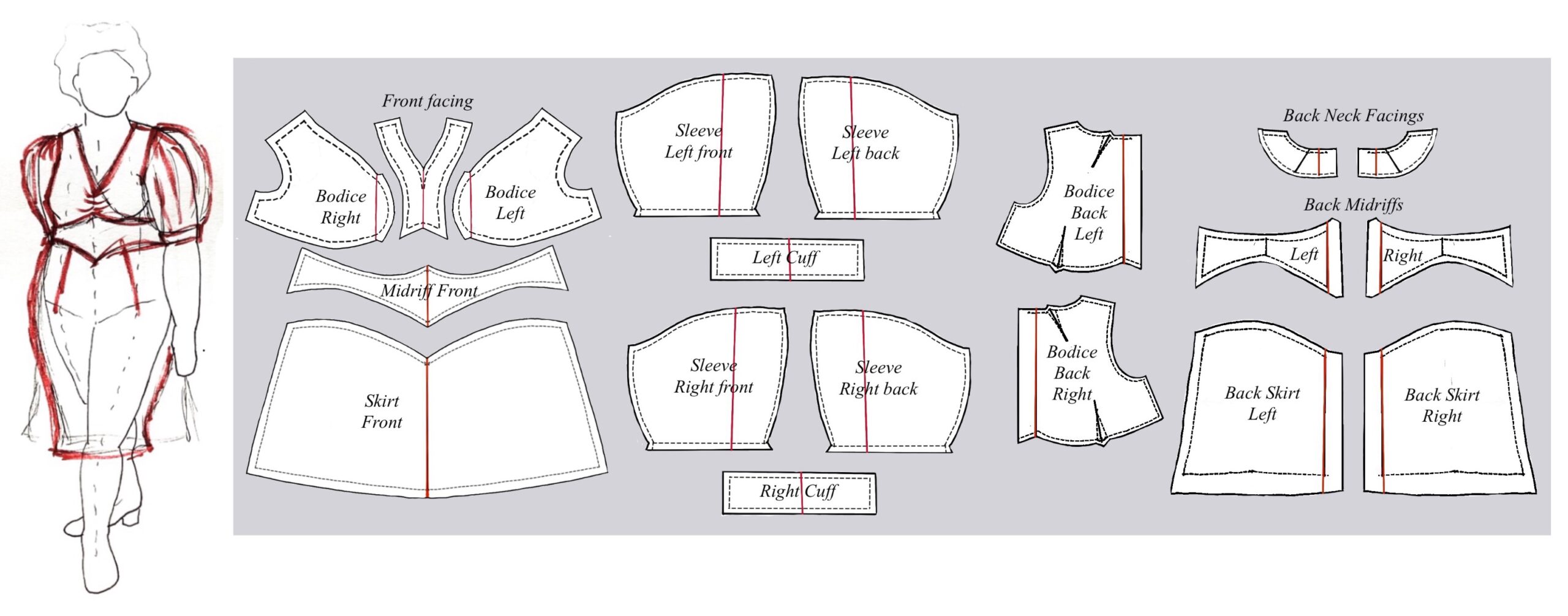
Developing a pattern from her sketch and her rough masters
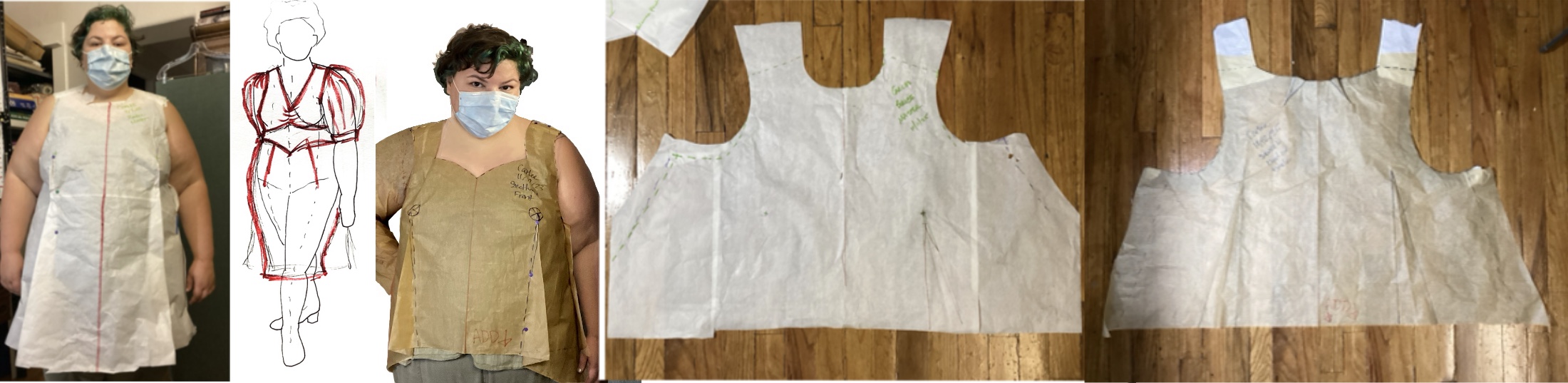
Master dress block
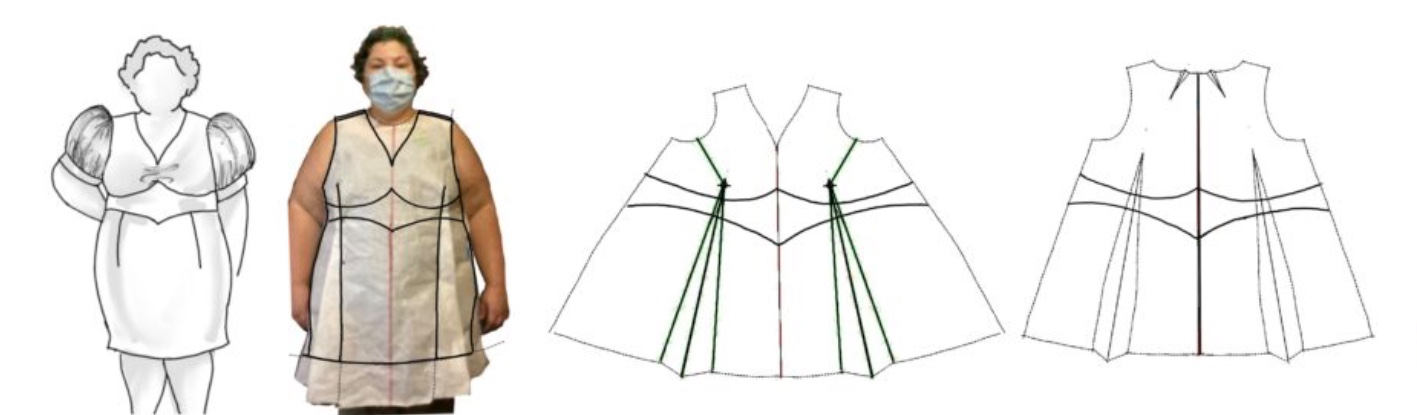
Carlee’s design from the body template I drew for her
Block with a sweetheart neckline and sleeve
Front and Back Master patterns
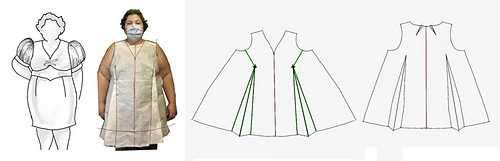
Here are the front and back from the rough master. The green lines are for dart manipulation in the next step.
There are gathers at the center front and in the sleeves. How much extra fabric they will take?
You may have yardage or a garment similar to what you’re hoping to use. Gather it up and see what you like.
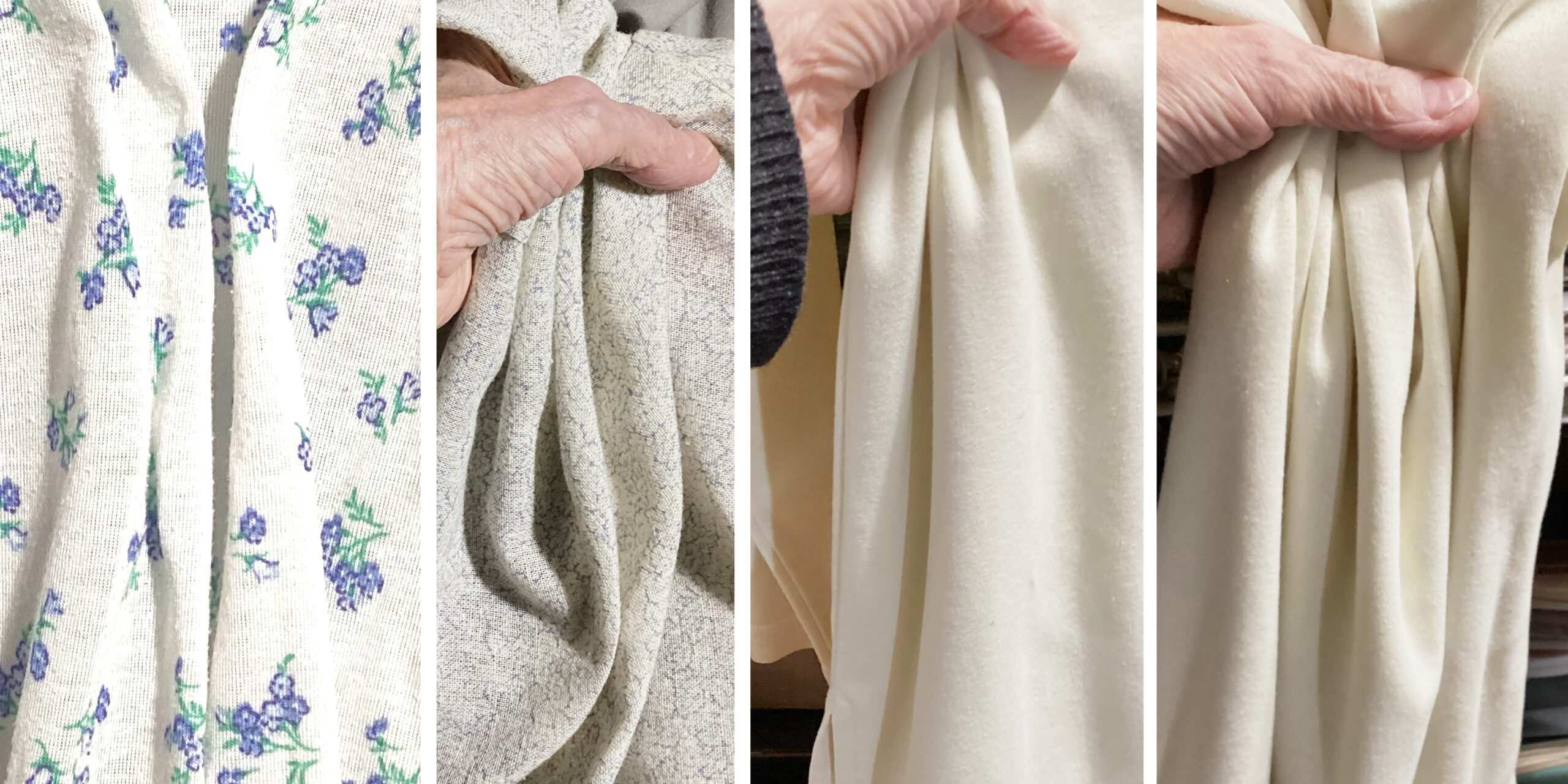
The ratio of gathering will vary from garment to garment and fabric to fabric.
1.5:1 to 2.5:1 is a good place to start. A fine silk might run 15:1.
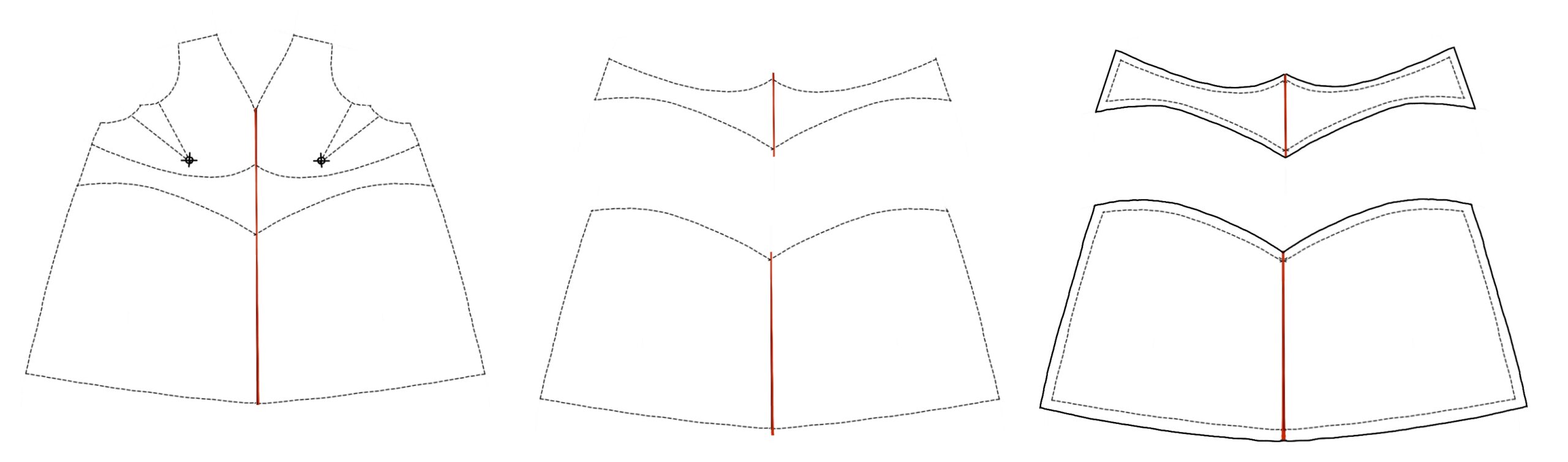
The lines for the midriff band have been added. The back (which will have a zipper) repeats the piecing of the front (professionals scorn plain backs as “coffin clothes”).
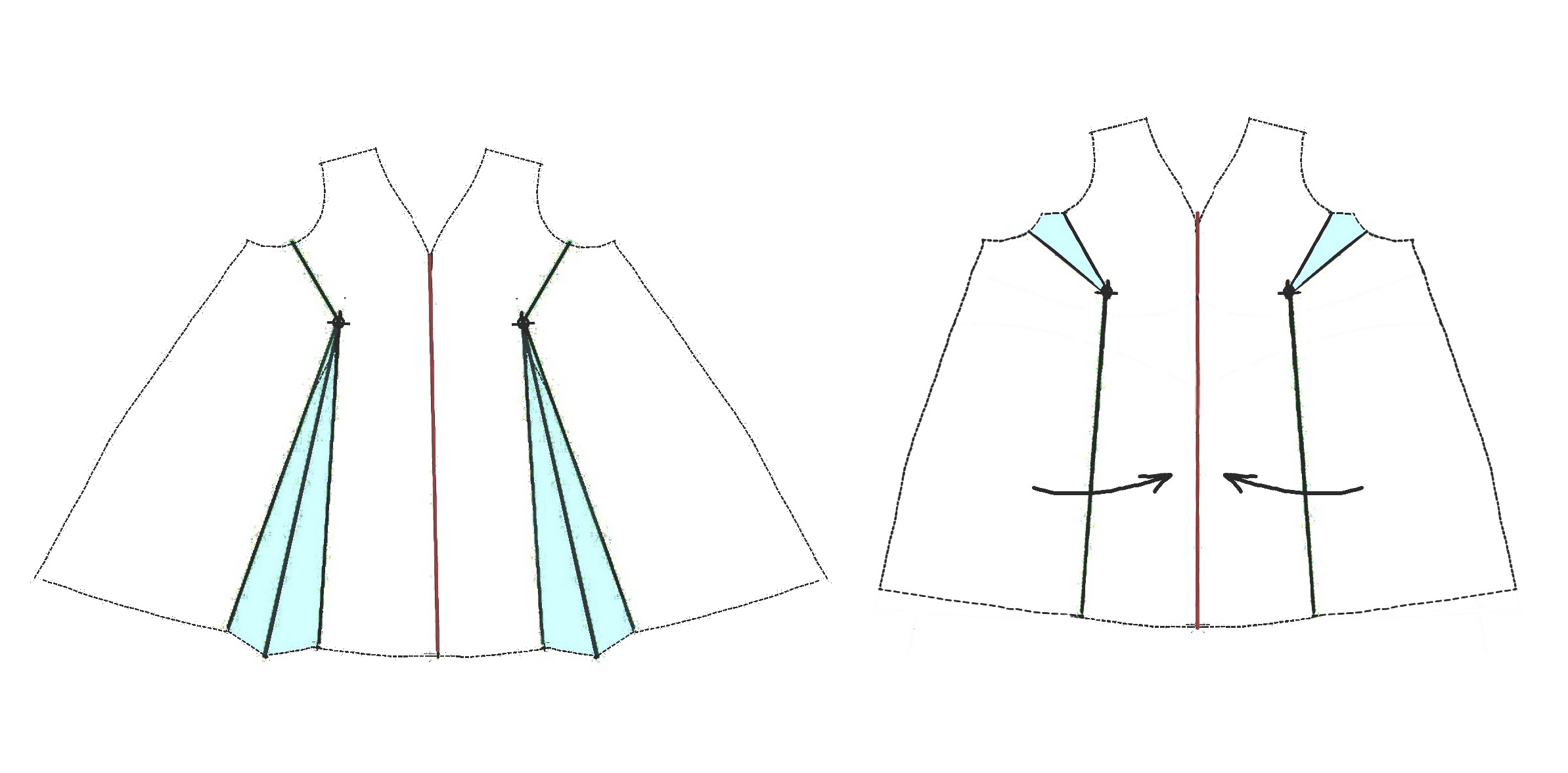
Front
Use dart manipulation to move the dart take-up from the lower skirt to the armscye, pivoting at the “bust apex” (nipple).
Though Carlee drew the skirt with side front darts (many bodies would need them) they are not necessary for her.
We will further manipulate the darts to soft gathers at the center front when we get to the upper bodice. Easier to do in two steps.
Trace off the front midriff band and skirt pieces. Pin-track/reconcile/true the sewing lines (be sure they’re the same length) and add seam allowances. Label every piece as you finish it!
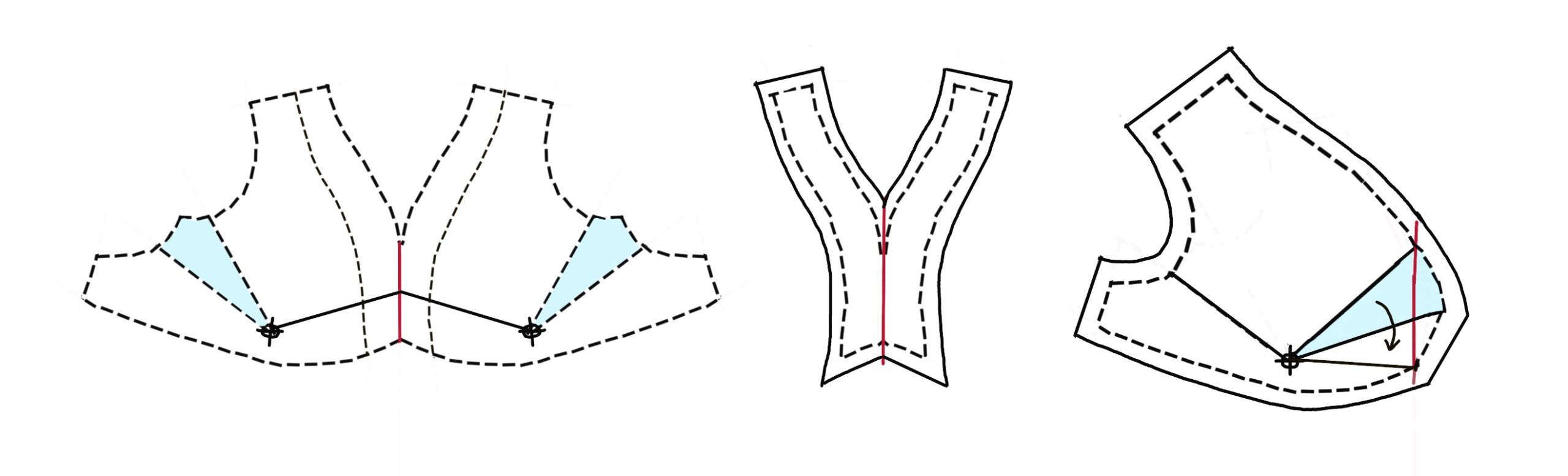
The upper front bodice:
Create a neckline facing (the Y-shaped piece in the middle) from the master that extends down to the midriff seam to serve as a stay for the center gathers.
Split the pattern at center front and shift the armscye dart to gathers there. They can be fuller than the dart they replace: the blue is the shifted dart and the white wedge is the extra. Refer to your fabric tests to see what you think is suitable. The front is supposed to bulge out; if you make it a straight line there won’t be enough fabric.
This tutorial focuses on pattern-making rather than construction, but here’s how we’d prep the bodice.
Flat-fuse lightweight interfacing to the facing.
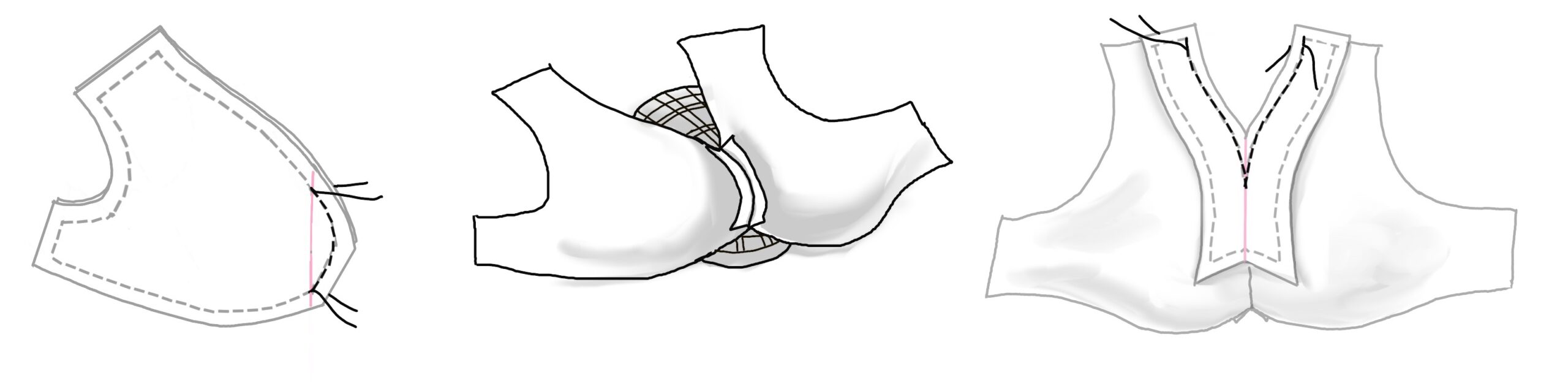
- Right-sides together, sew the center front.
Press as sewn, then press open over ham (or folded towel). - Right-sides together, sew the facing on at the front neckline.
- (press, clip as needed to turn to inside, press, understitch)
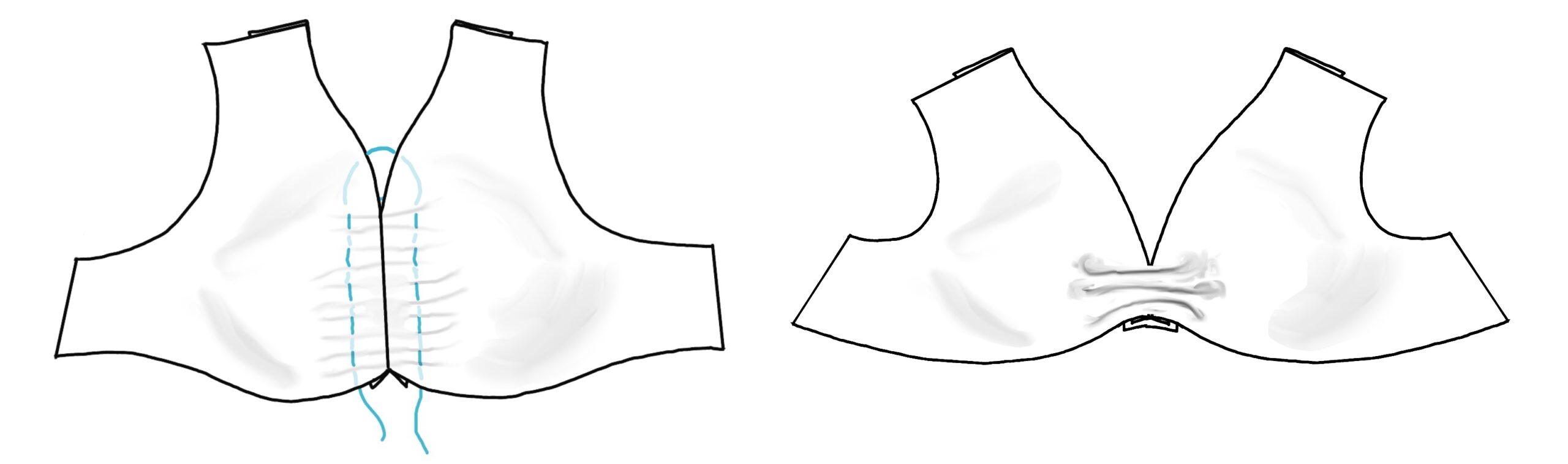
For the soft horizontal gathers that Carlee designed, run a hand basting thread as shown (at least two lines, more if desired), being careful not to catch the stay, then pull up and tack to the stay.
Back
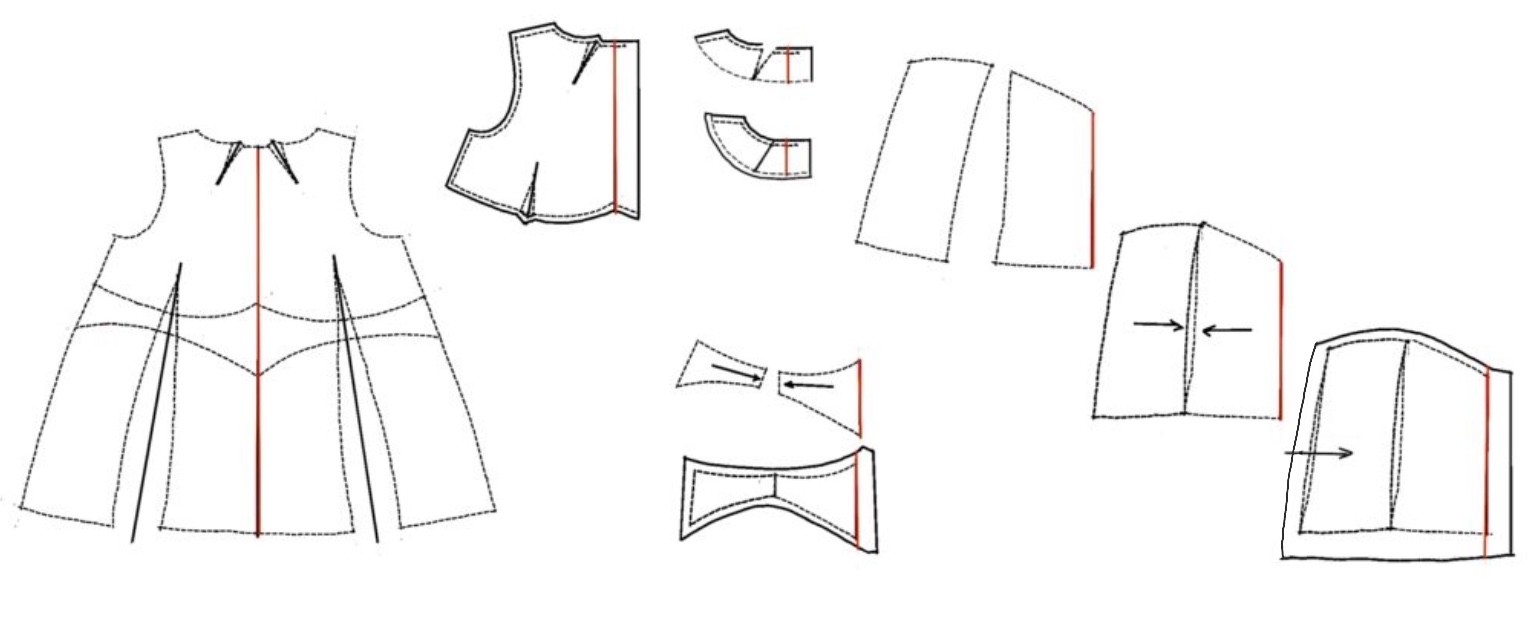
Trace the individual pieces.
- Leave the darts as they were in the upper back.
- Close the neck dart when tracing the back facing.
- Lose the dart in the midriff band by butting the sewing lines together. Smooth out the edges when you draw the sewing lines.
- Likewise, butt together the sewing lines in the skirt pieces. Adjust the bulge (if there is one) at the side seam.
Reconcile the lengths of the seam lines with the previous pieces as you go. When the cutting lines (solid) are drawn, add the zipper allowance at center back and the turn-up for the hem.
Sleeves
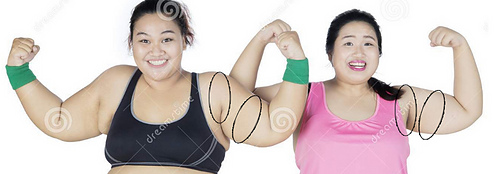
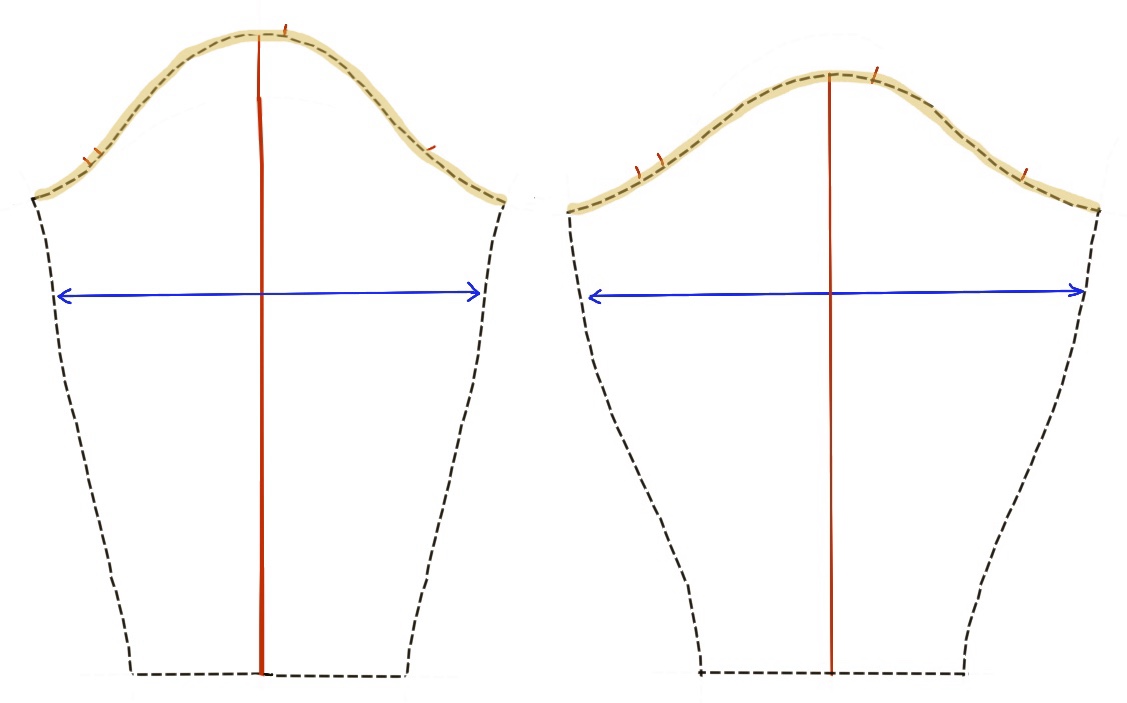
A wider upper arm needs a wider biceps circumference, NOT a deeper armscye.
An average sleeve and one with a wider biceps circumference (blue) for comparison. The length of the armscye (gold) must not change so that it fits the same bodice.
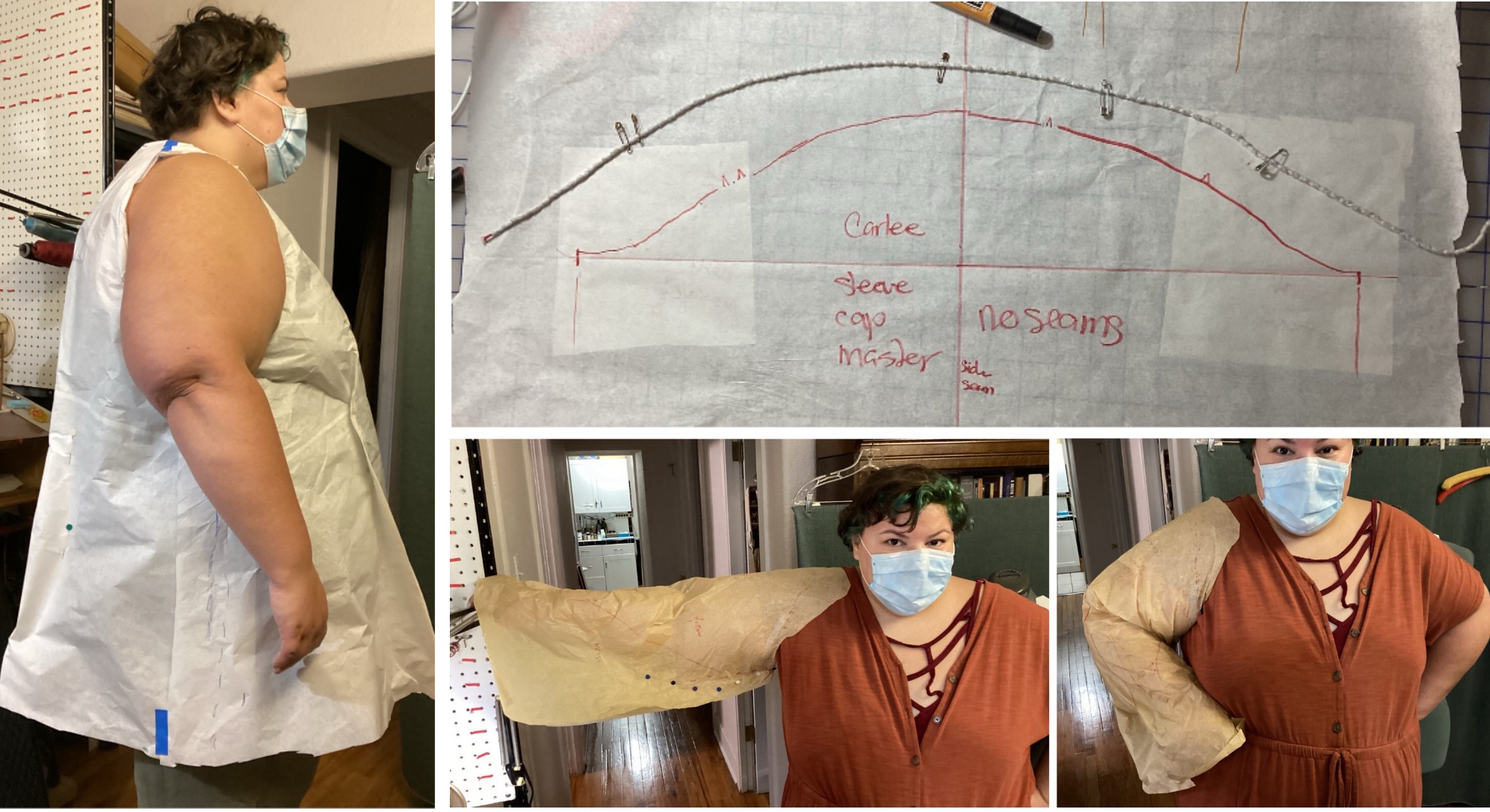
Note that the line from underarm to wrist is not straight, but curves in below the elbow.
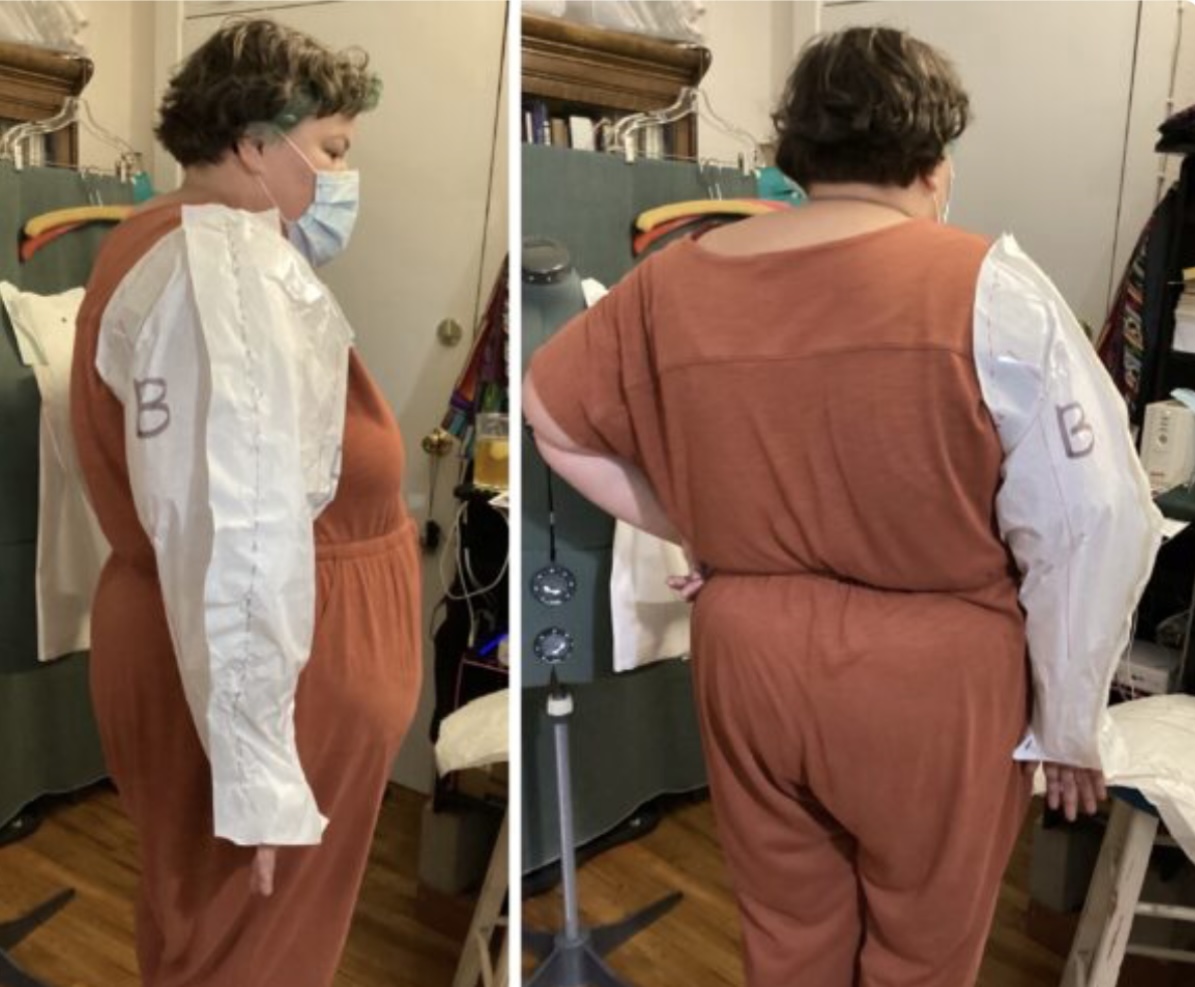
If the difference in circumference above and below the elbow is too great, it will be impossible to taper a one-piece sleeve enough not to bind. Split it in two.
Her basic sleeve patterns, full-length and short:
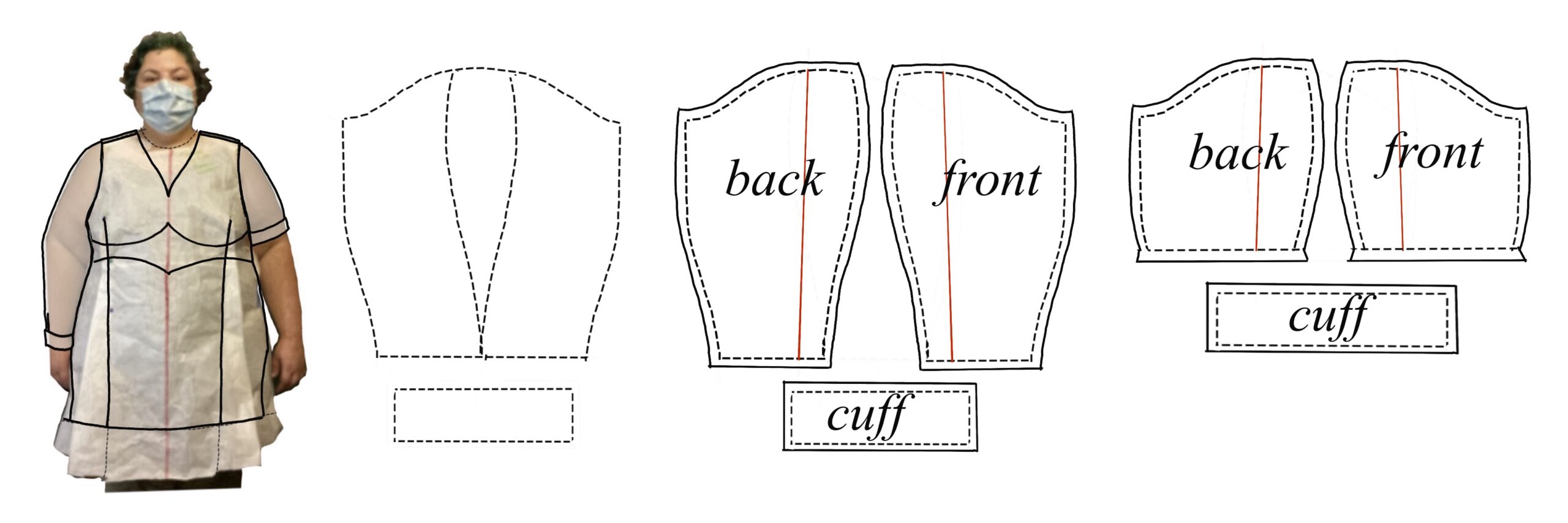
Patterns for puffed sleeves:
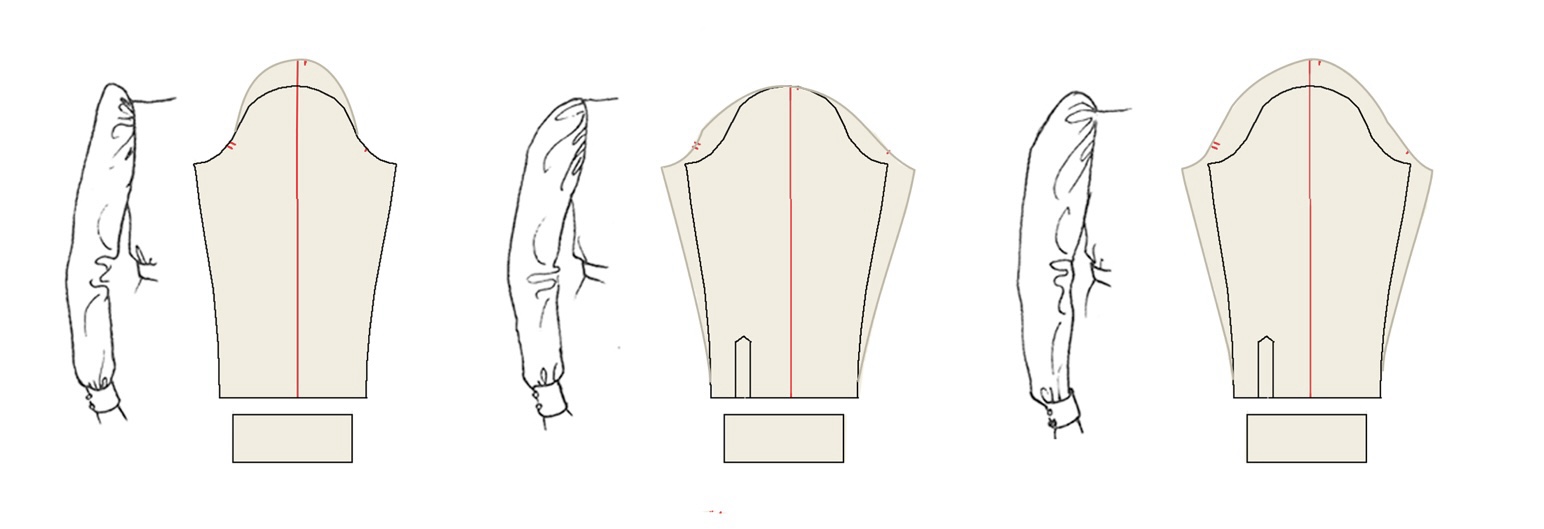
Both the cap and the cuff of the shorter sleeve need to be gathered.
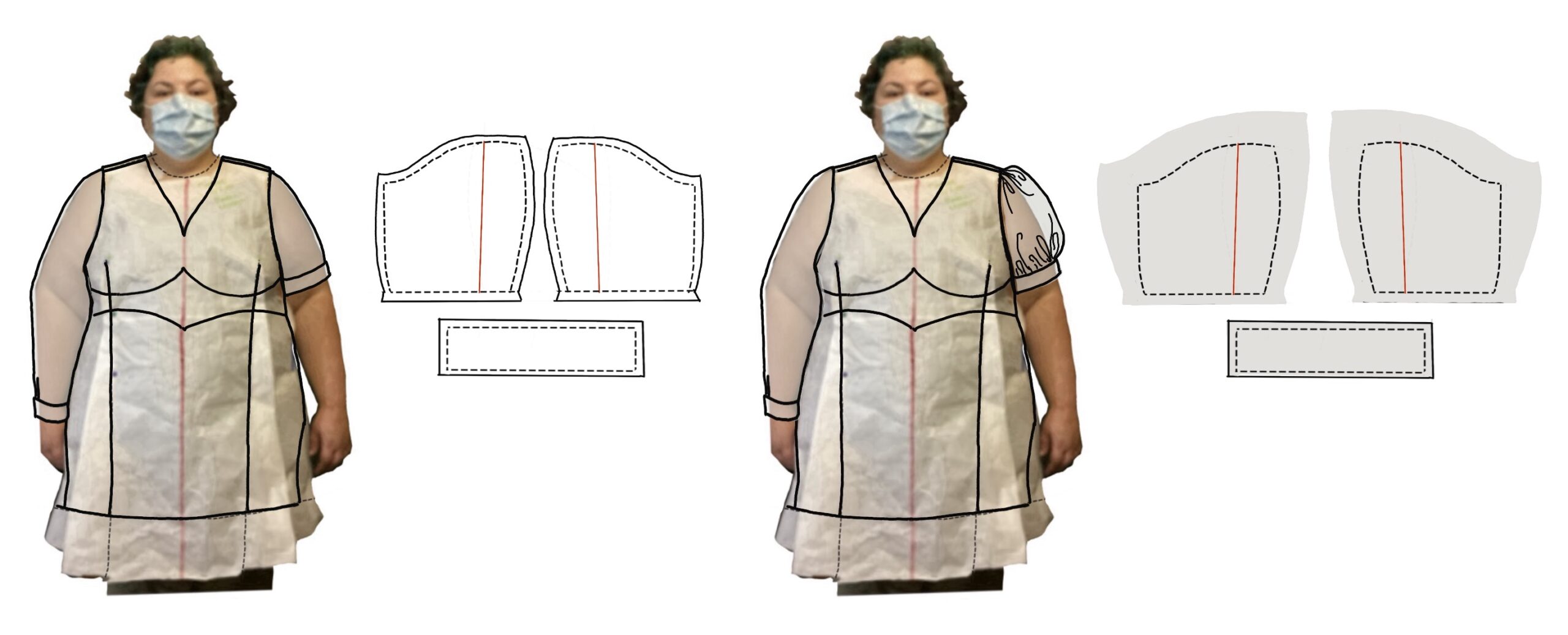
Extend the sleeve pattern as shown (shaded). There are no changes to the cuff.
Pieces for a single-layer (flat) layout:
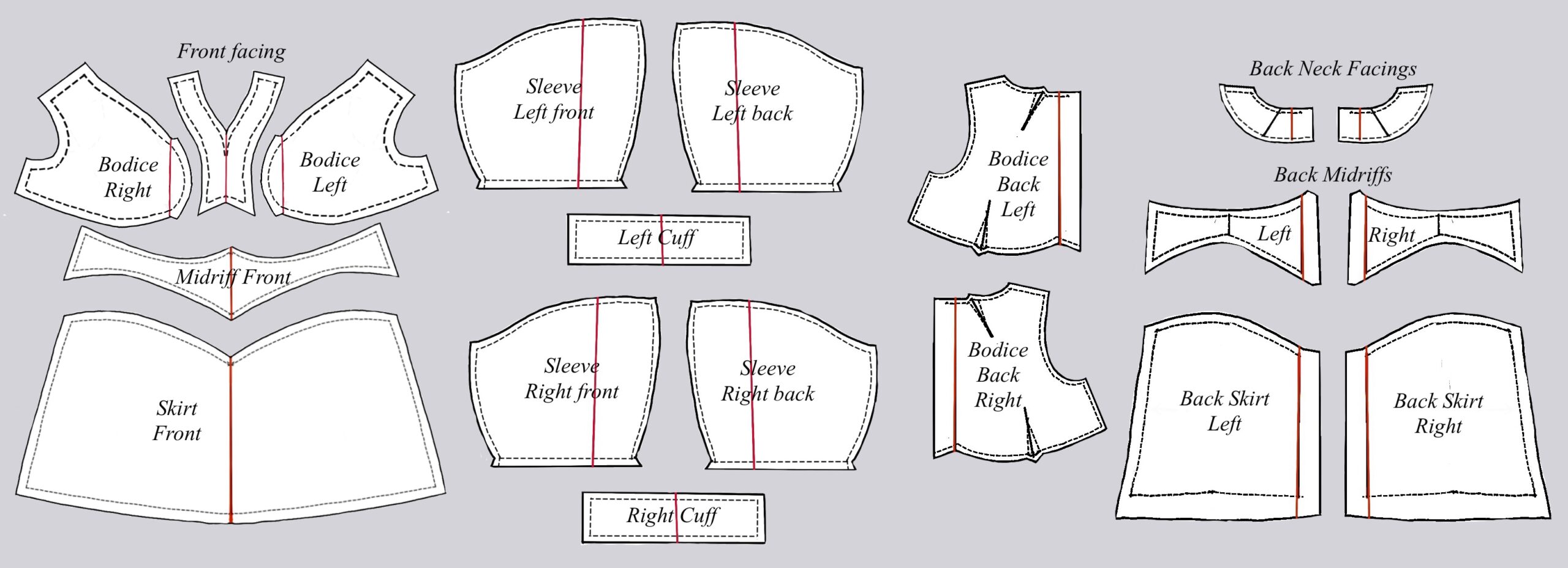
These could be cut on folded fabric.
https://carolkimball.net/figuring-yardage/